Prykarpattia Theater Home

Category

Culture & Folklore

14 articles

After the Curtain Falls: American Theaters Discover the Power of the Carpathian Gathering Table

After the Curtain Falls: American Theaters Discover the Power of the Carpathian Gathering Table

Across the United States, a small but committed group of theater companies is experimenting with something that has defined Carpathian theatrical culture for generations: the intentional, unhurried communal gathering that follows a performance. These post-show spaces are not receptions or networking events — they are something older and more demanding, rooted in the belief that a performance is not complete until the community has had the chance to sit together and speak.

When the Stage Becomes a Threshold: Carpathian Theater's Spiritual Inheritance and the American Secular Dilemma

When the Stage Becomes a Threshold: Carpathian Theater's Spiritual Inheritance and the American Secular Dilemma

The theatrical traditions of the Carpathian region were never designed to entertain in the modern sense of the word. They were designed to mediate between the human and the sacred — to hold open a space where the visible and invisible worlds could briefly touch. When American companies stage this work without acknowledging that inheritance, they risk producing something beautiful on the surface and hollow at its core.

Rekindling the Dark: How Carpathian Winter Ritual Is Transforming American Holiday Theater

Rekindling the Dark: How Carpathian Winter Ritual Is Transforming American Holiday Theater

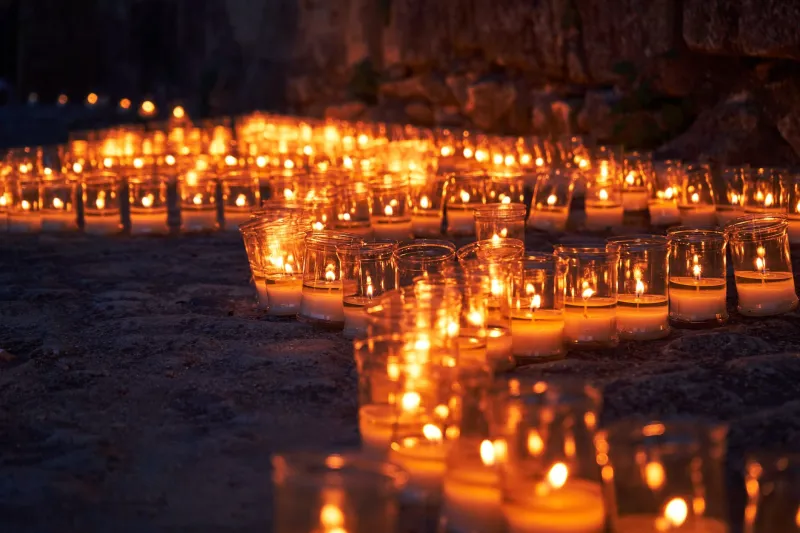
American regional theaters have long anchored their holiday seasons to familiar chestnuts — the Dickens adaptation, the Nutcracker, the Broadway touring revival. Now, a growing number of companies are turning toward the Carpathian mountains for an entirely different model of winter performance, one rooted in solstice fire, communal storytelling, and the sacred weight of darkness itself.

Beyond the Box Office: How Carpathian Theater's Gift Economy Is Challenging the Way America Pays for Culture

Beyond the Box Office: How Carpathian Theater's Gift Economy Is Challenging the Way America Pays for Culture

Across the Carpathian region, a growing number of theater companies are abandoning fixed ticket prices in favor of donation-based and barter-supported models rooted in centuries-old communal traditions. This economic philosophy — one that treats cultural access as a right rather than a commodity — is drawing serious attention from American regional theaters grappling with declining attendance and unsustainable operating costs. What can struggling U.S. venues genuinely learn from a mountain tradi

Held by the Mountain: How Carpathian Theater Transforms Grief Into a Collective Act

Held by the Mountain: How Carpathian Theater Transforms Grief Into a Collective Act

In the highland villages of the Carpathians, farewell has never been a private matter — it is performed, witnessed, and shared. As American theater communities grapple with how to hold grief on stage, a growing number of directors and ensembles are turning to mountain ritual traditions for a more honest language of loss.

Unlearning the Noise: How Carpathian Theater Is Teaching American Audiences to Hear Again

Unlearning the Noise: How Carpathian Theater Is Teaching American Audiences to Hear Again

In an era defined by algorithmic distraction and sensory overload, Carpathian theater is doing something quietly radical — demanding that audiences slow down, lean in, and truly listen. From Chicago to Portland, American theatergoers who have encountered this Eastern European tradition report experiences that linger far longer than any blockbuster production. The reasons why may be rooted as much in neuroscience as in art.

Gathering as Practice: How Carpathian Theater Rituals Are Mending America's Fractured Communities

Gathering as Practice: How Carpathian Theater Rituals Are Mending America's Fractured Communities

Across the Carpathian region, theater has never been merely a commodity for individual consumption — it has long functioned as a binding ritual that holds communities together. As American social isolation reaches historic levels, a growing number of U.S. theater organizers are turning to this mountain tradition for answers, redesigning their spaces and practices around collective belonging rather than passive spectatorship.

No Walls, No Problem: What Carpathian Village Theater Teaches America About Performing Without a Building

No Walls, No Problem: What Carpathian Village Theater Teaches America About Performing Without a Building

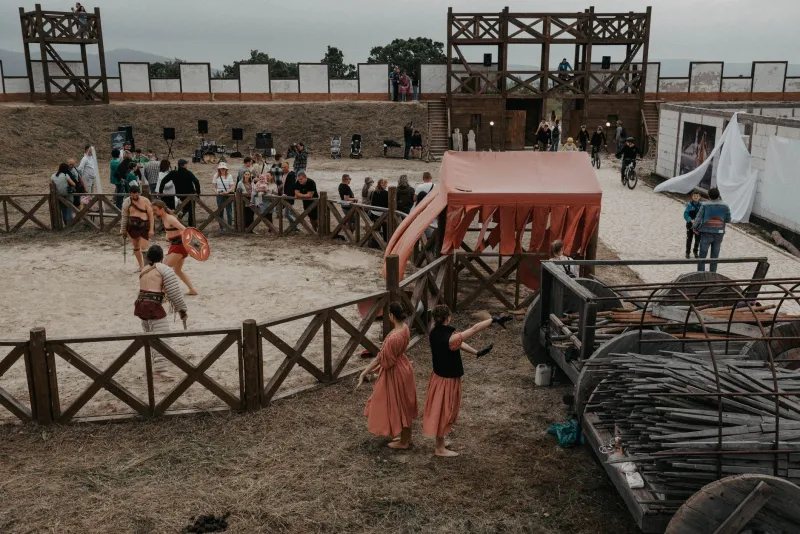
For centuries, Carpathian mountain communities staged elaborate theatrical performances in forest clearings, church courtyards, and village squares — never once needing a dedicated theater building. As American companies buckle under the weight of rising real estate costs, this centuries-old model of resourceful, site-specific performance offers a surprisingly practical and philosophically rich alternative.

When Silence Spoke Louder Than Words: The Subversive Soundscapes of Carpathian Theater and Their Resonance Today

Under decades of authoritarian rule, Carpathian playwrights and performers developed a remarkable theatrical language built not from forbidden words but from strategic silences, coded musical phrases, and symbolic sound. This tradition of sonic subversion—born of necessity and refined into art—is now finding unexpected new life on American stages grappling with their own questions of resistance, identity, and political expression.

The Body Remembers: How Carpathian Physical Theater Is Speaking Directly to American Audiences

In an era when language barriers often limit the reach of international theater, Carpathian physical performance traditions are proving remarkably fluent on American stages. Rooted in centuries of mountain ritual, communal labor, and embodied storytelling, these gesture-driven forms are reaching English-speaking audiences with an emotional directness that conventional drama rarely achieves. A new generation of American directors and performers is taking notice — and taking notes.

Recovered Voices: The Suppressed Playwrights of Carpathia and the Americans Bringing Their Work to Light

Dozens of plays written by Carpathian dramatists during the mid-twentieth century were never performed, never published, and in some cases nearly destroyed — their authors silenced by Soviet cultural authorities who recognized in the work a dangerous form of resistance. Now, a generation of American scholars, archivists, and theater directors is engaged in the painstaking work of recovering these texts and bringing them before audiences for the first time. What they are uncovering is not merely

Beyond City Limits: How Rural America Is Discovering the Power of Carpathian Folk Performance

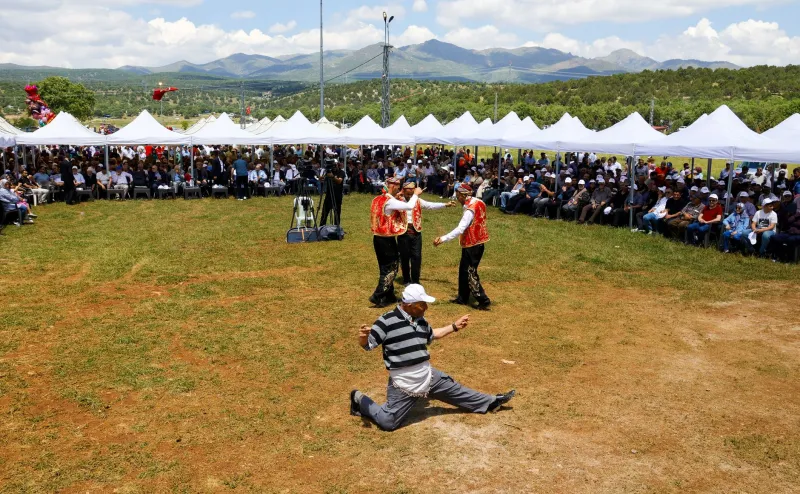
From Vermont fairgrounds to Appalachian town squares, Carpathian theater troupes and folk performance festivals are planting roots in unexpected corners of rural America. What draws small communities to this ancient Eastern European art form, and what does it take to bring the Carpathian stage to a meadow in the middle of nowhere? We explore the logistics, the people, and the surprising magic that follows.

Fire, Mountain, and Memory: The Ancient Spiritual Roots Woven Into Carpathian Performance

When an American audience watches a Carpathian theatrical production, they may notice something unusual — a quality of presence, a relationship between performer and space that feels different from conventional Western staging. What many do not realize is that they are witnessing the living residue of pre-Christian ritual, folk spirituality, and shamanic tradition, encoded into the very grammar of Carpathian performance. This piece unpacks those layers for audiences encountering them for the fir

Five Carpathian Folktales That Deserve a Broadway Stage — and Have Nothing to Do With Vampires

Western audiences have long allowed Bram Stoker's Gothic imagination to define their understanding of Eastern European storytelling. But the Carpathian region and its neighboring cultures harbor a wealth of folktales far more psychologically complex, dramatically rich, and theatrically daring than any vampire narrative — and it is long past time for American playwrights and producers to take notice.